Fly Drones Same Day: Event Drone Safety Course for Parties & Teams
- Mo-Su 10.00 – 20.00
- +372 555 85 416
- sale@laskmine.ee




For most buyers, the Glock 19 Gen 6 is the sensible pick: it comes optics-ready, has updated grip texture and a flat-faced trigger, and keeps the same proven compact footprint that made this pistol a staple in the first place. If budget matters more than having the newest features, a well-inspected Gen 5 or used Gen 3 still delivers real value. The full spec breakdown and a buying checklist are just below.
TL;DR:
- The Glock 19 Gen 6 offers factory optics-ready capability and improved grip texture, making it a practical upgrade for most buyers seeking new features.
- Gen 6’s grip rework and flat trigger face provide better control and shooting comfort compared to earlier models, especially during rapid fire.
- Most holsters designed for previous Glock 19 generations remain compatible, but verifying fit before purchase is recommended.
- For budget-conscious buyers, a used Gen 3 or Gen 5 Glock 19 still delivers reliable performance and value, provided the gun shows proper condition.
- Hand fit, trigger reach, and holster compatibility should be checked in person during handling or range testing to ensure suitability for individual users.
The Glock 19 Gen 6 is a 9x19mm pistol built around the same compact dimensions that made earlier generations popular with everyday carriers and range shooters. According to Glock’s official technical data, the barrel runs 4.02 inches, overall length is 7.28 inches, and height with a standard magazine inserted comes to 5.04 inches. Unloaded, it weighs about 570 grams (roughly 20.1 ounces); loaded with a full 15-round magazine, that climbs to around 825 grams.
| Spec | Measurement |
|---|---|
| Caliber | 9x19mm |
| Barrel length | 4.02 in |
| Overall length | 7.28 in |
| Height (with mag) | 5.04 in |
| Weight (unloaded) | 570 g |
| Weight (loaded) | ~825 g |
| Standard capacity | 15 rounds |
Those numbers translate into real decisions on the range and at home:
The jump to Gen 6 isn’t cosmetic. Glock reworked the grip texture into what it calls RTF6, adding expanded thumb rests that noticeably improve control during rapid strings of fire. The trigger face is now flat rather than curved, which changes how your finger contacts it mid-trigger-pull. And the slide ships optics-ready straight from the factory, so you’re not hunting for a gunsmith or a separate mounting plate if you want a red dot.
Here’s what actually separates the generations in practice:
Recent buyer analysis backs this up directly: reviewers evaluating which Glock 19 version to actually buy conclude Gen 6 is the practical default for most shoppers in 2026, with Gen 5 standing out as the strongest value pick and Gen 3 remaining a solid budget choice on the used market. For buyers who want an optic now, Gen 6 removes the extra step of sourcing an adapter plate, which by itself justifies the price bump for a lot of shooters.
Pro Tip: If a red dot sight is part of your plan, go with Gen 6 or a Gen 5 MOS model. If price is your main constraint and you don’t need factory optics, a carefully inspected used Gen 3 still performs like a Glock 19 should.
Instructors often describe the Glock 19 as a kind of gateway pistol. It’s the gun people recommend when someone asks “what should I buy if I only want one handgun?” That reputation holds up because the Glock 19 sits in a sweet spot: compact enough to carry, but with enough grip and barrel length to shoot accurately without excessive muzzle flip. One firearms trainer’s assessment points to that balance of size and capacity as the reason it works equally well for range practice, home defense, and daily carry.
Recoil on a 9mm compact frame like this is manageable for most shooters, though follow-up shot speed and one-handed accuracy still take deliberate practice. That’s where a lot of first-time buyers stumble. They assume the gun does the work; it doesn’t.
The upgrades that actually matter, in rough priority order:
That priority order isn’t just opinion. Buying analysis on Glock 19 upgrade paths consistently ranks sights and holster choice above optics and extra magazines, since those two changes affect nearly every shot you take.
Before you hand over cash, run through a short checklist. It takes ten minutes and saves you from buying the wrong gun.
If you get a chance to handle a candidate in person, run these tests:
Buying used? Watch for these red flags before you commit:
Pro Tip: Bring a notepad to any range session where you’re testing a candidate gun. Write down how each one felt in your hand, not just how it shot. Fit matters more than most buyers expect.
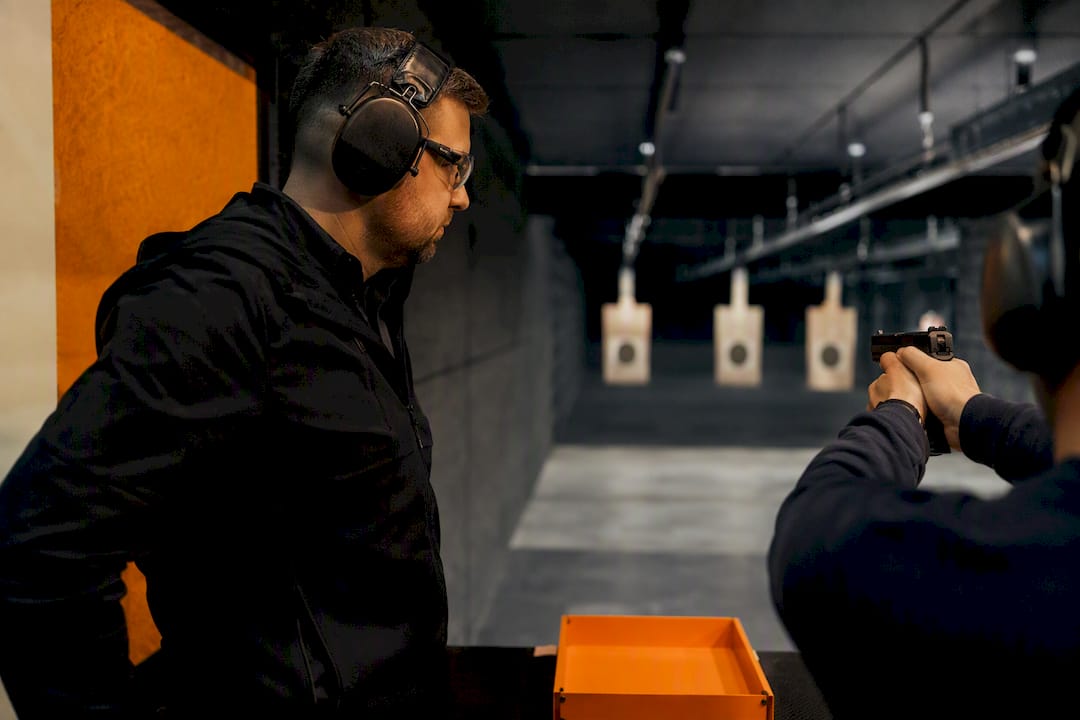
Reading specs only gets you so far. New buyers commonly cycle through an overly small carry pistol, then swing too far the other way toward something too large, before finally settling on a Glock 19 sized gun. A supervised session where you can actually hold and fire different options breaks that cycle before it costs you money on the wrong purchase.
Tondi Shooting Range is the largest shooting range in the Baltic region, and it’s built exactly for this kind of hands-on decision-making. No experience is required. Every session includes instructors who walk you through a full safety briefing before you touch a firearm, and the entire range operates indoors, so weather does not affect your visit.
Here’s what a visit typically covers:
If you’re planning to buy a Glock 19, bring the checklist from the buying guide above and put it to work under instructor supervision. Book a session through Tondi Shooting Range’s booking page and test grip fit, trigger feel, and recoil management before you spend a dollar on the actual gun. Once you’ve settled on a version, our pistol shooting drills for beginners guide gives you a structured way to build skill from day one.
Neither is strictly better; the larger Glock model has a longer grip and barrel for somewhat more capacity and velocity, while the Glock 19’s compact size makes it easier to carry and conceal, which is why it’s often recommended as the more versatile single-gun choice.
Yes, the Glock 19 is widely recommended for concealed carry because its compact dimensions, 15-round standard capacity, and manageable recoil suit both experienced carriers and first-time gun owners.
Gen 6 is the current recommended pick for most buyers thanks to its factory optics-ready slide and updated ergonomics, while Gen 5 remains a strong value option and a well-inspected used Gen 3 works for budget-focused buyers.
No. At Tondi Shooting Range, every session includes a safety briefing plus instructor supervision from your first shot to your last.
Inspect the slide and frame rails for damage, check magazines for consistent feeding, and confirm the serial numbers on frame parts match to avoid a mismatched or reassembled gun.