Tondi Shooting Range is Open!
- Mo-Su 10.00 – 20.00
- +372 555 85 416
- sale@laskmine.ee




Breath control shooting technique is the intentional regulation of breathing patterns to stabilize aim, reduce pulse-induced movement, and sharpen focus for more accurate and consistent shots. Every heartbeat sends a small tremor through your body, and that tremor shows up on your target. Tactical breathing directly counters this by lowering your resting heart rate and calming your nervous system before you squeeze the trigger. Methods like tactical breathing, inspiratory muscle training (IMT), and mindfulness-based breath awareness each address a different layer of the problem. Master all three, and your groups tighten in ways that grip adjustments and sight upgrades simply cannot match.
Controlled breathing reduces the two biggest physical threats to accuracy: pulse tremor and muscle tension. Your heartbeat creates a rhythmic push against your arms and torso. At distance, even a tiny wobble shifts your point of impact. Tactical breathing with a 4-second inhale and 6-second exhale reduces resting heart rate by 10–15 bpm before a shot. That drop translates directly into less involuntary movement at the muzzle.
The physiological chain works like this. Slow, deliberate breathing activates the parasympathetic nervous system, which is your body’s built-in calm-down switch. Controlled breathing activates the body’s relaxation response, shifting you from physiological tension to cognitive clarity. Clearer cognition means better trigger control, because your finger responds to intention rather than reflex.
Inspiratory muscle training adds another layer. IMT enhances maximal inspiratory pressure, stabilizes core muscles, and improves postural steadiness. A stable core holds your stance steady between breaths, which matters most during longer strings of fire or when fatigue sets in.
The attentional benefits are just as real as the physical ones. Fast or shallow breathing increases tension and heart rate, which fragments your focus. Slow, rhythmic breathing before each shot builds muscle memory and consistent shot timing. Over time, the breathing pattern itself becomes a mental cue that tells your brain it is time to perform.
Key physiological and attentional benefits of breath control:
Pro Tip: Before your next session, measure your resting heart rate after two minutes of normal breathing, then again after four tactical breathing cycles. The drop you feel is exactly what you are training for.
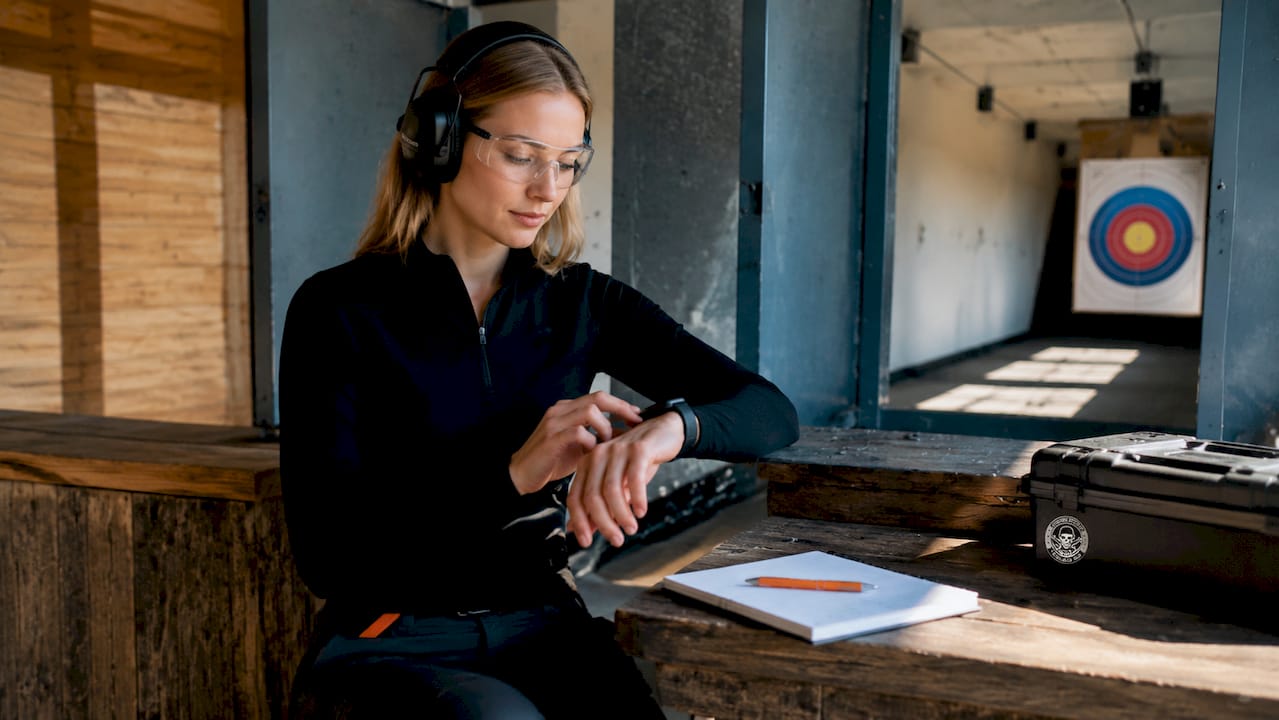
Tactical breathing is the foundation of every serious shooting accuracy technique. The cycle is simple but must be practiced until it is automatic. Inhale slowly through your nose for 4 seconds, then exhale fully through your mouth for 6 seconds. Repeat this two or three times before you raise your firearm. By the time you settle into your stance, your heart rate is already dropping.
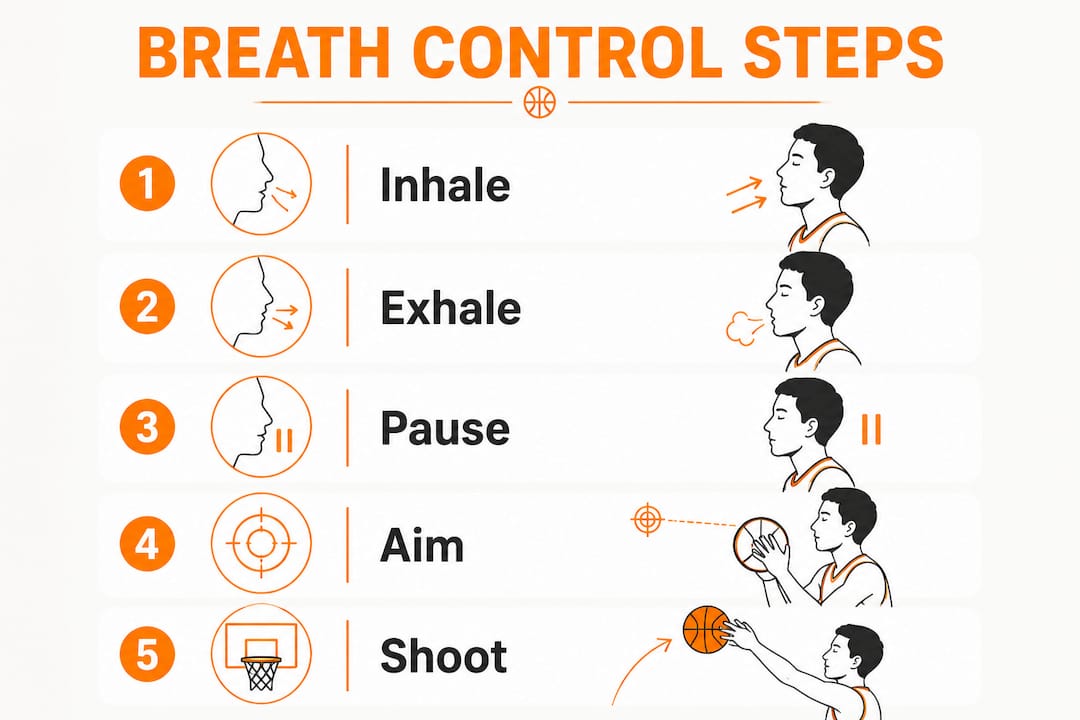
The natural respiratory pause technique takes over from there. Exhale halfway, then stop. Hold your breath at that midpoint while you align your sights and squeeze the trigger. This pause eliminates the chest movement that comes with breathing, giving you the steadiest possible platform. The hold should feel effortless, not forced.
Timing matters more than most shooters realize. Peak focus lasts only 4–7 seconds during the shot sequence. Holding your breath beyond that window creates tension, not stability. Your body starts to fight for oxygen, your muscles tighten, and your aim drifts. Train yourself to fire within that window every time.
Mindfulness breathing adds a mental dimension that tactical breathing alone cannot cover. A 7-week mindfulness program with 14 sessions of roughly 50 minutes each improves attention regulation and shooting accuracy under competitive stress. The program combines breath awareness, body scanning, and focused attention exercises. You do not need a formal program to benefit. Five minutes of focused breath awareness before a session reduces pre-shot anxiety and keeps your attention on the process rather than the outcome.
A practical breath control routine for shot execution:
Pro Tip: Practice this full routine at home without a firearm. Dry-fire practice with deliberate breathing builds the muscle memory you need before you ever step onto the range. Ten minutes a day off-range accelerates your progress faster than doubling your live-fire sessions.
Inspiratory muscle training devices give you a way to build respiratory strength the same way you build any other muscle. The standard protocol involves two sessions per day, 30 breaths each, using a threshold-loaded device set to progressive resistance. Training with threshold-loaded IMT devices for four weeks increases shooting accuracy and lower-limb explosive power. The postural benefit is the one most shooters overlook. Stronger respiratory muscles reduce the effort each breath requires, which means less body movement during the aiming phase.
Mental rehearsal and visualization work alongside physical training. Before a session, spend two to three minutes visualizing the full shot sequence: your stance, your breath cycle, the natural pause, and the trigger press. Pair the visualization with slow breathing so your nervous system links the calm state to the act of shooting. This connection pays off under pressure, when your body defaults to what it has rehearsed most.
| Training approach | Primary benefit | Session structure | Time to results |
|---|---|---|---|
| Threshold IMT device | Respiratory strength and core stability | 30 breaths, twice daily | 4+ weeks |
| Tactical breathing drills | Heart rate reduction and focus | 3–5 cycles before each shot | Immediate to 2 weeks |
| Mindfulness breath awareness | Attention regulation under stress | 5–15 minutes daily | 4–7 weeks |
| Dry-fire breath practice | Muscle memory for shot timing | 10 minutes daily off-range | 1–3 weeks |
Consistent practice routines matter more than any single tool. IMT improves respiratory endurance and neuromuscular coordination, which reduces fatigue and stabilizes posture across a full shooting session. That benefit disappears if you train for two weeks and stop. Build IMT and tactical breathing into your weekly schedule the same way you schedule range time.
Pro Tip: Set up your shooting sessions so the first five minutes are always dedicated to breath preparation. Treat it as non-negotiable warm-up, not an optional add-on. Shooters who skip this step under pressure are the ones who revert to old habits when it counts.
The most common error is holding the breath too long. Shooters who lock up their breathing while searching for a perfect sight picture push past the 4–7 second focus window. Oxygen debt builds, muscles tighten, and the shot breaks under tension rather than control. The fix is simple: if you miss the window, exhale, reset with another tactical breathing cycle, and start again.
Erratic breathing patterns are the second major problem. Shooters who breathe normally between shots but never establish a deliberate pre-shot routine introduce inconsistency into every repetition. Consistent rhythmic breathing before shots builds muscle memory and shot timing. Without a repeatable routine, your heart rate and tension level vary from shot to shot, and so do your results.
Mistiming the trigger squeeze is closely related. Firing at the top of an inhale, when your chest is fully expanded, creates maximum body movement. Firing at the bottom of a full exhale collapses your posture. The natural respiratory pause at the halfway exhale point is the only moment when your body is genuinely still.
Common mistakes and their corrections:
Patience is the skill that ties all of this together. Breath control does not feel natural in the first few sessions. Your body wants to rush. Slow the process down deliberately, accept a few missed windows early on, and trust that the routine will become second nature within a few weeks of consistent practice. Good trigger control depends on this foundation being solid first.
Breath control shooting technique works because it lowers heart rate, stabilizes posture, and sharpens focus within the critical 4–7 second shot window where accuracy is won or lost.
| Point | Details |
|---|---|
| Tactical breathing cycle | Inhale 4 seconds through the nose, exhale 6 seconds through the mouth, repeat 2–3 times before aiming. |
| Natural respiratory pause | Hold breath at the halfway exhale point to eliminate chest movement during trigger squeeze. |
| Shot focus window | Apply full concentration only within the 4–7 second window to avoid tension from oxygen debt. |
| Inspiratory muscle training | Two daily sessions of 30 breaths with progressive resistance builds core stability and reduces fatigue. |
| Mindfulness practice | Regular breath awareness exercises improve attention regulation and accuracy under competitive stress. |
Reading about breath control is one thing. Applying it with a real firearm in your hands is where the skill actually develops. Laskmine’s Tondi Shooting Range in Tallinn gives you a safe, supervised environment to put every technique in this guide into live practice.
The range offers shooting sessions for all experience levels, from first-timers to competitive marksmen refining their pre-shot routines. Coaches on-site understand the role breathing plays in accuracy and can give you real-time feedback that no article can replicate. Whether you are booking a solo session, a group event, or a shooting course to build fundamentals from the ground up, Laskmine has the setup to make your training count. Gift cards are also available if you want to share the experience.
Breath control shooting technique is the deliberate regulation of breathing before and during a shot to reduce pulse tremor, stabilize posture, and sharpen focus. The core method is a tactical breathing cycle followed by a natural respiratory pause at the halfway exhale point.
Hold your breath for no longer than 4–7 seconds during the shot sequence. Exceeding this window causes oxygen debt, which increases muscle tension and degrades aim stability.
Yes. Shallow or fast breathing raises heart rate and tension, which directly disrupts aim. Slow, controlled breathing lowers heart rate by 10–15 bpm and activates the body’s relaxation response, producing measurably steadier shots.
Inspiratory muscle training uses resistance breathing devices to strengthen the muscles that control inhalation. Stronger respiratory muscles stabilize the core, reduce postural movement during aiming, and delay fatigue across longer shooting sessions.
Yes. A structured mindfulness program improves attention regulation under stress and correlates with higher shooting accuracy in competitive conditions. Even brief daily breath awareness practice produces measurable attentional benefits within several weeks.