Ten Minute Test to Pick Your Glock 19 at Tondi
- Mo-Su 10.00 – 20.00
- +372 555 85 416
- sale@laskmine.ee





Taking a friend to a shooting range is one of the most memorable group activities you can plan, and it requires nothing more than basic preparation, a clear understanding of safety rules, and the right facility. The standard industry term for this kind of outing is “recreational shooting,” and it covers everything from casual pistol sessions to structured beginner courses. Facilities like Tondi Lasketiir in Tallinn have built their entire model around making this experience welcoming for first-timers and groups alike. Get the prep right, and your friend walks away with a new skill and a story worth telling.
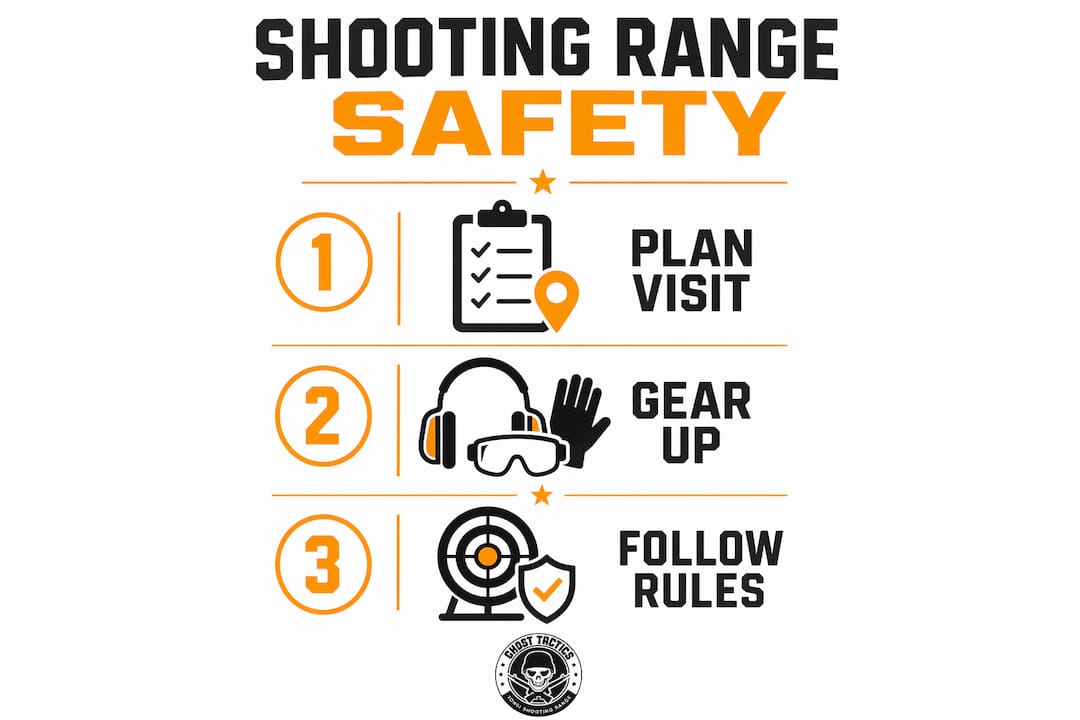
Every successful shooting range visit starts with knowing the legal and practical requirements before you arrive. Skipping this step is the most common reason first-time groups run into problems at check-in.
Age restrictions apply at every licensed range. Most facilities in the United States require visitors to be at least 18 years old to shoot a rifle or shotgun, and 21 to handle a handgun without a parent or guardian present. In Estonia, local regulations govern age and supervision requirements, so checking with your specific range in advance is non-negotiable. Both you and your friend should bring a valid government-issued photo ID. Some jurisdictions require a Firearm Owner’s Identification (FOID) card or a local firearms permit, so verify what applies in your area before booking.
Clothing choices matter more than most first-timers expect. Wear closed-toe shoes and avoid low-cut tops or loose necklines. Hot brass casings eject from firearms and can land on exposed skin, which causes a reflexive flinch. That flinch is a safety hazard. Long sleeves and snug collars solve the problem entirely.
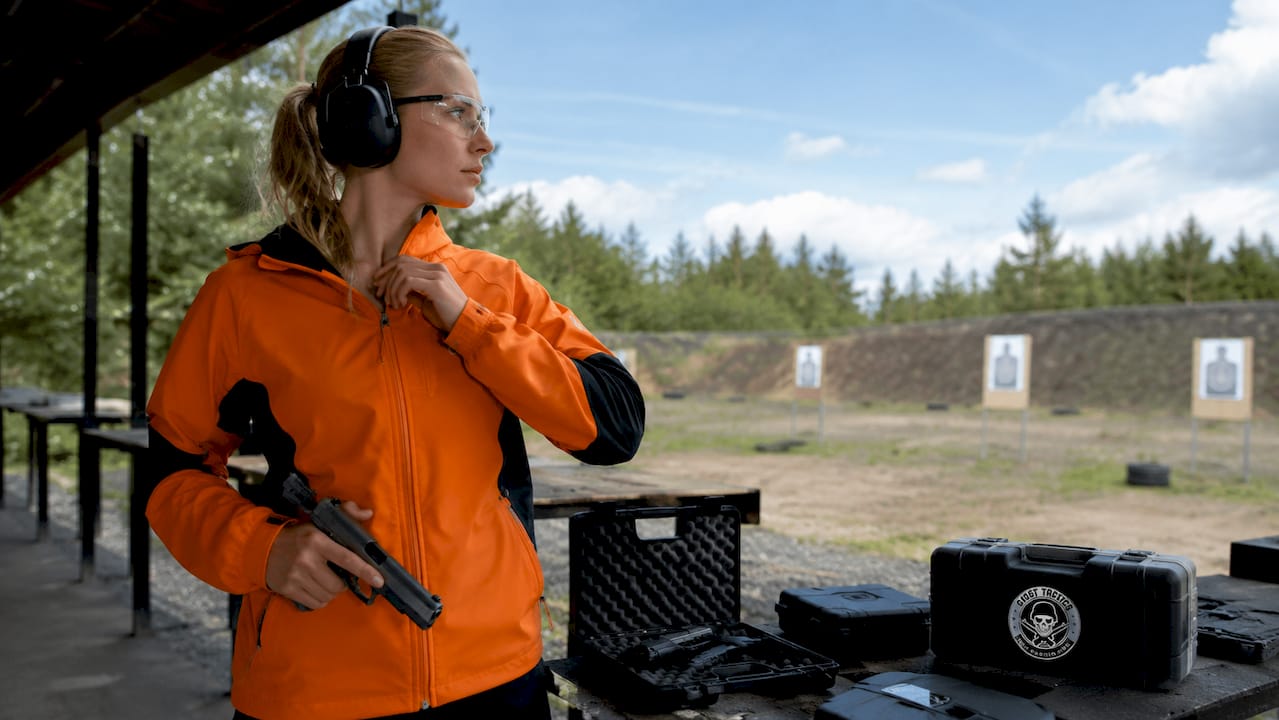
Rental firearms, eye and ear protection, and targets are commonly included in shooting range packages. This removes the biggest barrier for first-timers and keeps the gear compliant with range safety standards. You do not need to own a firearm to have a great session.
Here is a quick reference for what to prepare:
| Item | Required or Recommended | Notes |
|---|---|---|
| Government-issued photo ID | Required | Passport, driver’s license, or national ID |
| Age verification | Required | Minimum age varies by country and firearm type |
| FOID card or local permit | Required in some areas | Check local laws before booking |
| Closed-toe shoes | Required | Sandals and open-toe footwear are prohibited |
| Eye protection | Required (often provided) | Most ranges include this in the package |
| Ear protection | Required (often provided) | Earplugs or earmuffs; ranges typically supply both |
| Snug-fitting clothing | Recommended | Prevents hot brass from causing burns |
Planning the visit in advance separates a smooth outing from a stressful one. The best approach is to treat this like booking any group activity: confirm availability, match the package to your experience levels, and communicate clearly with the facility.
Indoor ranges with certified instructors and regulated safety protocols create welcoming environments ideal for first-time shooters and social outings. That combination of professional oversight and accessible gear is exactly what makes a shooting range day out work for mixed-experience groups.
When booking, keep these points in mind:
Pro Tip: Book at least 48 hours in advance. Popular time slots at indoor ranges fill up fast, especially on weekends. Booking early also gives you time to confirm any documentation requirements specific to your location.
Laskmine’s shooting courses and packages are structured to accommodate both complete beginners and casual recreational shooters, making it straightforward to find the right fit for you and your friend.
A typical beginner session follows a clear structure. Knowing what comes next keeps both of you calm and focused.
Here is how a typical session breaks down by time:
| Phase | Typical Duration | What Happens |
|---|---|---|
| Check-in and paperwork | 10–15 minutes | ID check, waivers, package confirmation |
| Safety briefing | 20–30 minutes | Rules, firearm handling, range etiquette |
| Instructor demonstration | 10–15 minutes | Stance, grip, sight picture, trigger control |
| Supervised live-fire | 30–45 minutes | Guided shooting with real-time feedback |
| Debrief and cleanup | 5–10 minutes | Review, questions, lane reset |
The full session typically lasts 1–2 hours, which is the right amount of time for a first visit. Longer sessions tend to cause mental fatigue, which increases the chance of sloppy technique.
Your role as the experienced friend is to stay encouraging and patient. Resist the urge to coach over the instructor. Your job is moral support; the instructor handles technique.
Most problems on a first-time range visit come from skipping steps, not from any lack of skill. Knowing the pitfalls in advance keeps the day on track.
“Bringing someone new to the range is best done by sharing your enthusiasm, setting expectations, and ensuring comfort with tailored instruction and support. The goal is a positive first experience, not a perfect score.”
— National Shooting Sports Foundation guidance on introducing new shooters
Pro Tip: After the session, ask your friend what they enjoyed most. First-time shooters who leave with a specific positive memory are far more likely to return for a second visit or sign up for a structured course.
Professional instruction is the single biggest factor in whether a first-timer leaves confident or discouraged. Facilities that invest in qualified instructors produce better outcomes for beginners every time.
Taking a friend to a shooting range succeeds when you combine solid preparation, the right facility, and a patient, safety-first approach from start to finish.
| Point | Details |
|---|---|
| Prepare documentation in advance | Bring valid photo ID and check local age and permit requirements before booking. |
| Choose a beginner-friendly package | Look for packages that include firearm rental, eye and ear protection, and a mandatory safety briefing. |
| Follow the session structure | Expect check-in, safety briefing, instructor demo, supervised live-fire, and debrief across 1–2 hours. |
| Start with manageable calibers | A .22 LR or 9mm pistol gives beginners a positive first experience without intimidating recoil. |
| Prioritize patience over performance | Encouraging questions and setting no performance expectations keeps the experience fun and safe. |
Laskmine’s Tondi Lasketiir is an indoor shooting range in Tallinn built specifically for groups, first-timers, and anyone looking for a memorable activity year-round. The indoor environment means weather never cancels your plans, and the professional instructors handle everything from the safety briefing to firearm selection.
Packages at Tondi Lasketiir cover pairs and larger groups, with all gear provided and safety orientations included as standard. Whether you are planning a casual shooting range day out with one friend, organizing a bachelor party, or looking for a unique company event, the facility has a format that fits. Booking is straightforward through the Tondi Lasketiir website, and the team is available to help you choose the right package for your group’s experience level.
No. Most shooting ranges provide rental firearms as part of their beginner packages, along with eye and ear protection and targets. You do not need to own a gun to have a full session.
Age requirements vary by country and firearm type. In the United States, the general minimum is 18 for long guns and 21 for handguns. Always check the specific rules of your chosen range before booking.
A typical beginner session runs 1–2 hours, covering a safety briefing, instructor demonstration, supervised live-fire practice, and a short debrief. This length keeps the experience engaging without causing fatigue.
Wear closed-toe shoes, snug-fitting clothing, and avoid low necklines. Hot brass casings eject during firing and can cause burns on exposed skin, which creates a safety risk.
Set no performance expectations, encourage questions, and let your friend move at their own pace. Ranges with certified instructors handle the technical side, so your role is simply to be supportive and patient.