Ammunition Types in Estonia: What the Law Actually Says
- Mo-Su 10.00 – 20.00
- +372 555 85 416
- sale@laskmine.ee




Shooting competition preparation in Estonia is defined as the structured process of developing technical skills, understanding discipline-specific rules, selecting appropriate equipment, and training at certified facilities before entering a sanctioned event. Estonia’s competitive shooting scene spans pistol, rifle, and long-range disciplines, each with distinct requirements that demand targeted preparation. Organizations like Kaitseliidu Kool and Long Range Shooting MTÜ set the training standards that serious competitors follow. Facilities like Tondi Lasketiir in Tallinn give shooters access to professional indoor ranges where they can rehearse under realistic conditions before competition day.
Estonia’s competitive shooting scene organizes around three primary disciplines: pistol, rifle, and long-range shooting. Each category carries its own ruleset, equipment requirements, and preparation demands. Knowing which category you compete in shapes every training decision you make.
Pistol shooting is the most accessible entry point for new competitors. Events typically follow IPSC (International Practical Shooting Confederation) or ISSF (International Shooting Sport Federation) formats, requiring shooters to demonstrate accuracy, speed, and safe weapon handling. Competitors must know draw procedures, target engagement sequences, and malfunction drills cold before stepping onto a competition stage.
Rifle shooting covers both precision and dynamic formats. Precision rifle events reward consistency at fixed distances, while dynamic formats add movement and time pressure. Pistol shooting basics and rifle fundamentals share a common foundation: sight alignment, trigger control, and breath management.
Long-range shooting is the most technically demanding category in Estonia. Competitors engage targets at distances where wind, elevation, and ballistic data become critical variables. Long Range Shooting MTÜ promotes progression in this discipline through dedicated knowledge sharing and supports participation in major European competitions. That international exposure is what separates Estonian long-range shooters who plateau locally from those who continue to improve.
Key preparation differences by category:
Effective competitive shooting training follows a progressive structure. You build foundational skills first, then add competition-specific stress. Skipping the foundation to chase performance is the most common mistake intermediate shooters make.
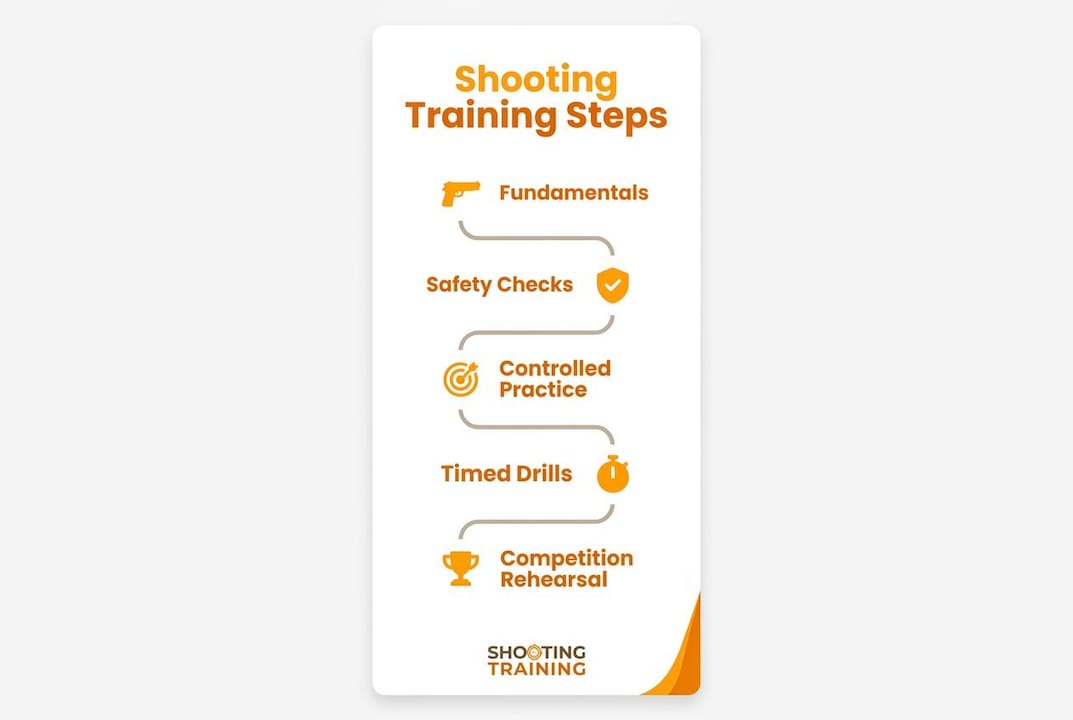
Mastering technical skills and communicating range session structure, including mandatory safety checks, is the baseline standard tested among experienced instructors at Kaitseliidu Kool. That standard applies equally to competitors. If you cannot execute safe weapon handling automatically, competition pressure will expose the gap. Repetitive practice of safety procedures and weapon handling ensures consistent performance and reduces errors during events.
The instruction card method, known in Estonian training programs as the koolituskaart, is a structured approach where shooters prepare and deliver organized lessons covering safe weapon handling and range commands. Using the instruction card builds mastery in both technical and instructional skills. Competitors who can explain what they are doing shoot more deliberately and make fewer unforced errors.
A competition-focused training block for Estonian shooters should follow this sequence:
Safety checks and range commands are mandatory components of every structured range session in Estonia, regardless of weapon type. Consistent safety protocols are not optional steps you skip when you are in a hurry. They are part of the performance standard.
Pro Tip: Join a local shooting club and attend regular practice sessions with more experienced shooters. Long Range Shooting MTÜ specifically supports community-based skill development, and the feedback you get from peers accelerates progress faster than solo training.
Equipment selection directly affects how well your training transfers to competition. The right gear removes variables. The wrong gear introduces problems you will spend time diagnosing instead of shooting.
Pistol competitors typically use a full-size or compact semi-automatic pistol in 9mm, .40 S&W, or .45 ACP, depending on the division. A competition holster, magazine pouches, and a reliable belt system are required. Rifle competitors need a rifle zeroed for the competition distance, a stable shooting position (bipod or bags for precision formats), and a logbook for tracking data. Long-range competitors add a quality scope with accurate turrets, a ballistic calculator, and a wind meter to that list.
Choosing equipment that matches your competition division rules from the start saves you from costly changes later. Check the specific ruleset for your event before purchasing.
| Facility type | Best for | Key feature |
|---|---|---|
| Indoor pistol range | Pistol and short-range rifle | Year-round access, controlled environment |
| Outdoor rifle range | Precision and dynamic rifle | Variable conditions, longer distances |
| Long-range outdoor range | Long-range disciplines | Extended distances, wind exposure |
| Tondi Lasketiir (Tallinn) | All levels, groups, competition prep | Tailored packages, professional indoor setup |
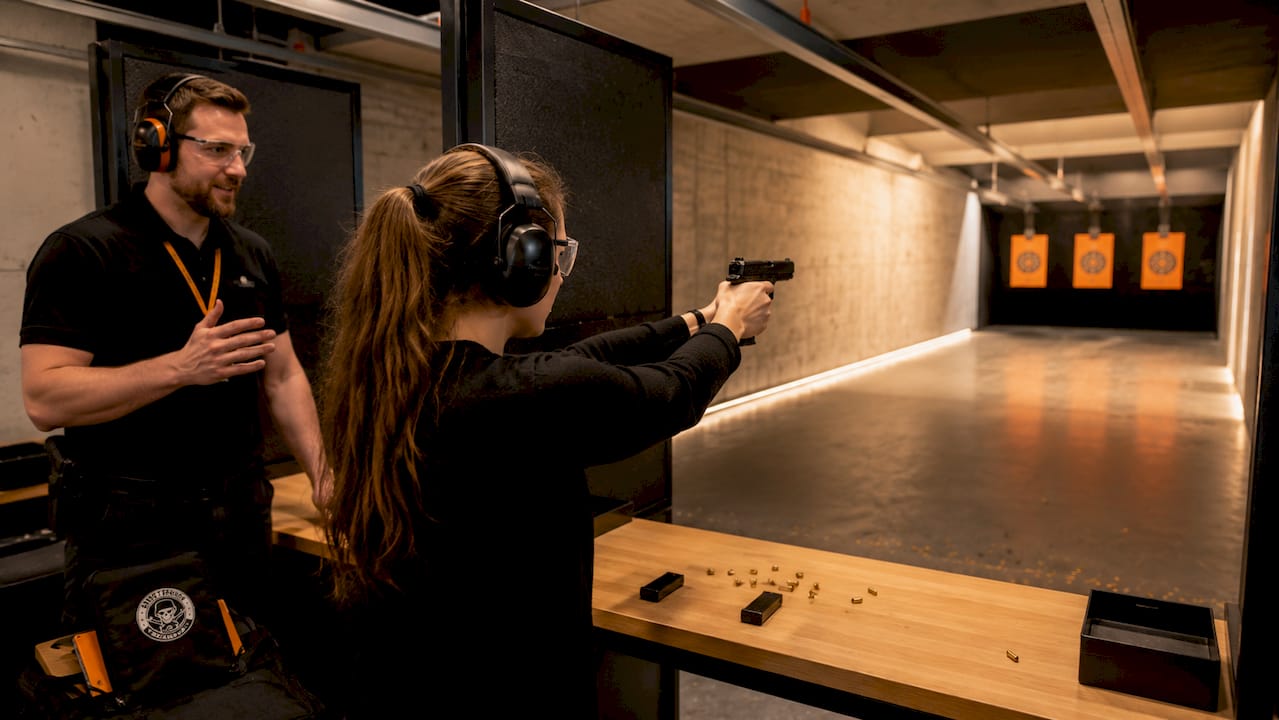
Tondi Lasketiir is a unique indoor shooting facility in Tallinn offering tailored shooting packages and group experiences for shooters preparing for competitions. The controlled indoor environment removes weather as a variable, which is valuable when you need to isolate and fix a specific technical problem. Laskmine’s facility at Tondi Lasketiir is known for its professional setup and the quality of experience it delivers to both first-time visitors and experienced competitors.
Pro Tip: Book range time at Tondi Lasketiir specifically for competition rehearsal sessions, not just casual practice. Treating each session as a performance evaluation builds the mental habits that carry over to actual events.
Technical skill gets you to the start line. Mental readiness determines what happens after the buzzer sounds. The two require different training approaches, and most shooters underinvest in the mental side.
Competition simulation during practice is the single most effective mental training tool. When you practice under time pressure, with an audience, or with consequences for mistakes, your nervous system learns to perform under stress. Shooters who only practice in comfortable, low-stakes environments often find that their skills degrade significantly on competition day.
Key mental and strategic preparation habits:
Professional instruction accelerates this process significantly. A qualified coach can identify technical errors and mental patterns that are invisible to the shooter. Competent range instructors in Estonia must achieve a sufficient level of weapon system handling to conduct lessons effectively, which means the instruction you receive from certified Estonian coaches reflects a high standard.
The most overlooked competition strategy is stage planning. Before you shoot, you decide your target order, your movement path, and your reload points. A clear plan executed at 80% speed beats a rushed plan executed at 100% speed. Accuracy penalties in most formats cost more time than a slightly slower pace.
Effective shooting competition preparation in Estonia requires mastering technical fundamentals, understanding discipline-specific rules, training progressively, and using quality facilities like Tondi Lasketiir to rehearse under realistic conditions.
| Point | Details |
|---|---|
| Know your competition category | Pistol, rifle, and long-range disciplines each require distinct equipment and training focus. |
| Follow a structured training block | Progress from dry fire to live fire to competition simulation over 6–8 weeks. |
| Prioritize safety procedures | Mandatory safety checks and range commands are performance standards, not formalities. |
| Use local resources and clubs | Organizations like Long Range Shooting MTÜ and Kaitseliidu Kool accelerate skill development. |
| Train your mental game | Stage planning, pre-shot routines, and mistake recovery are skills that require deliberate practice. |
Laskmine’s Tondi Lasketiir in Tallinn is Estonia’s premier indoor shooting range for competitors at every level. Whether you are preparing for your first pistol event or rehearsing stages for a major Estonian shooting competition, the facility offers tailored packages for individual shooters and groups alike.
The indoor setup at Tondi Lasketiir gives you a controlled environment to work on fundamentals, run timed drills, and simulate competition conditions without weather interference. Group bookings are available for clubs and teams looking to run joint preparation sessions. Gift cards and event packages make it a practical option for organized training blocks. Book your range session at Tondi Lasketiir and use the time with purpose: treat every visit as a step toward your next competition result.
Estonia’s competitive shooting scene covers pistol, rifle, and long-range disciplines. Each category follows specific ruleset standards, with organizations like Kaitseliidu Kool and Long Range Shooting MTÜ supporting training and competition participation.
A structured preparation block of 6–8 weeks is the standard approach, moving from dry fire fundamentals through live fire and into full competition simulation. The exact timeline depends on your current skill level and the discipline you are entering.
Safety checks and range commands are mandatory components of every structured range session in Estonia. Consistent safety procedure practice reduces errors under competition pressure and is a core performance standard, not a separate concern.
Tondi Lasketiir offers tailored shooting packages in Tallinn for individual and group preparation. Its indoor setup provides a controlled environment for technical drills and competition rehearsal year-round.
Long Range Shooting MTÜ promotes skill development through knowledge sharing and participation in European competitions. Joining a specialized club and competing internationally gives you feedback and experience that local-only training cannot replicate.